Wind Damage
Storm Damage and Roof Repair in Omaha: What Homeowners Need to Know
From high-wind events to severe hail, Nebraska storms can compromise your roof without leaving obvious signs from the ground. Learn how to identify damage, understand your options, and make the right call for your home.
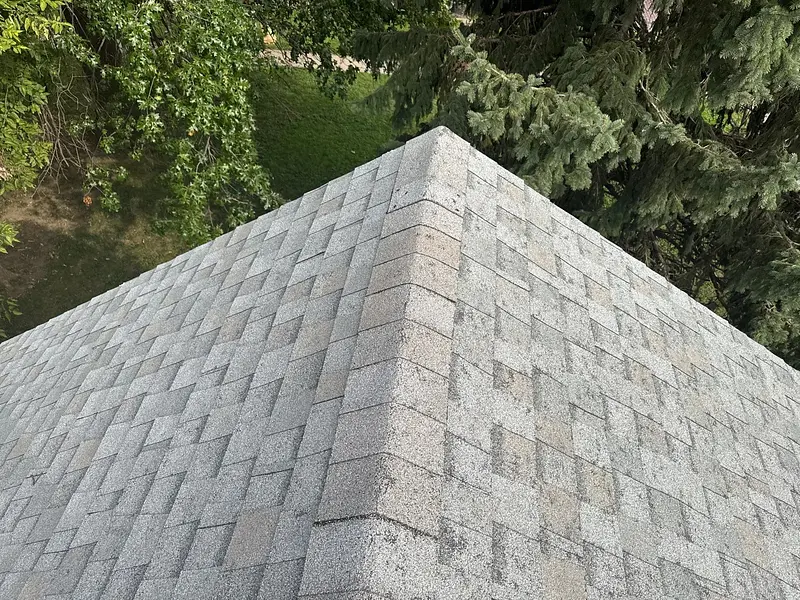
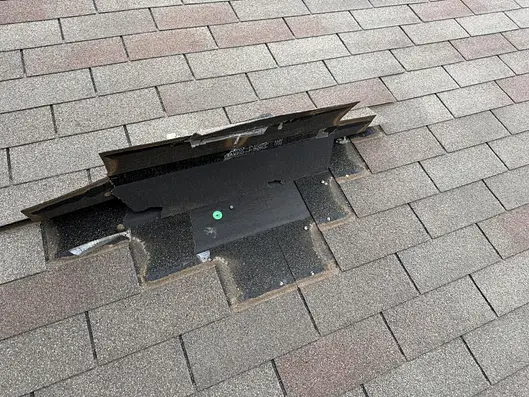
What to Look For
Signs You May Have Wind Damage on Your Omaha Roof
Lifted or Curling Shingles:
Shingles that have lost their seal and are no longer lying flat against the roof deck.
Creased or Folded Shingle Tabs:
Wind can fold shingle tabs back on themselves, cracking the asphalt mat underneath even if the shingle falls back into place.
Missing Ridge Caps:
The ridge line is the highest point on the roof and the most exposed to wind. Missing or displaced ridge caps are a common post-storm finding.
Exposed Nail Heads:
When shingles shift, the nails holding the course below can become exposed, creating a direct path for water.
Loose or Displaced Flashing:
Wind can pull metal flashing away from chimneys, vents, and skylights, opening gaps that allow water to enter the home.
Shingles That No Longer Lie Flat:
Even without visible lifting, a shingle that has lost its seal strip will allow water to drive underneath during rain.
Hail Damage
How Hail Impacts Asphalt Shingles in Omaha
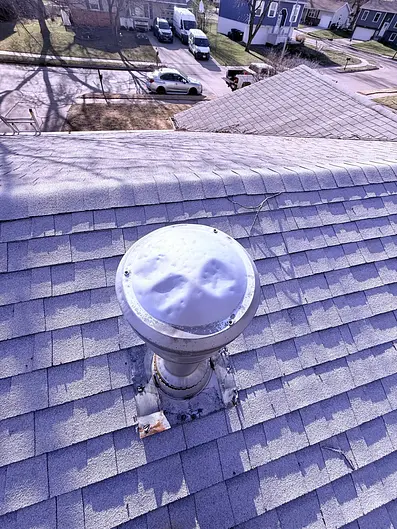
Hail Warning Signs
What to Look for After a Nebraska Hail Event
Granule Loss in Gutters and Downspouts:
After a hail event, gutters often fill with displaced granules. This is one of the clearest indicators that shingles sustained impact damage.
Dark or Bare Spots on Shingles:
Areas where granules have been knocked away appear darker than surrounding shingles and accelerate aging of the asphalt mat underneath.
Dented Gutters, Vents, or Flashing:
Soft metals dent on impact. If your gutters show dimpling after a storm, your roof sustained the same event.
Bruised or Soft Spots on Shingles:
Larger hailstones can crack shingles outright, creating immediate water intrusion points that worsen with every subsequent rain event.
Not Sure What the Storm Did to Your Roof?
Repair or Replacement
Does Storm Damage Mean You Need a Full Roof Replacement?
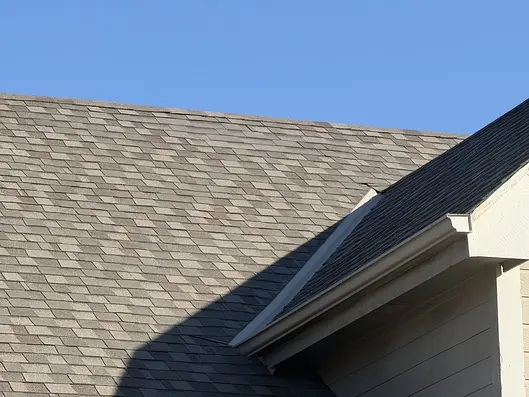
When Repair Makes Sense
Situations Where Roof Repair Is Often the Right Call in Omaha
Roof Age Under 12 Years:
A relatively young roof with isolated storm damage is typically a strong repair candidate, especially if the rest of the system is in good condition.
Damage Limited to One Area or Slope:
Wind and hail damage is sometimes concentrated on one side of a home. When the rest of the roof is sound, targeted repairs can restore full protection.
Flashing or Penetration Failures:
Leaks originating from chimney flashing, pipe boots, or vent seals are almost always repairable without touching the field of the roof.
Storm Damage on an Otherwise Healthy Roof:
If a roof was performing well before a specific storm event and damage is clearly tied to that event, repair is typically the most appropriate and cost-effective solution.
When Replacement Is Recommended
Signs a Full Roof Replacement May Be Necessary
Roof Age Over 20 Years:
Most asphalt shingles have a functional lifespan of 20 to 30 years. An aging roof with storm damage often makes more economic sense to replace than to repair repeatedly.
Widespread Granule Loss Across the Roof:
When granule loss is spread across the majority of the surface rather than isolated to impact points, the shingles have reached the end of their protective life.
Multiple Layers Already on the Roof:
Nebraska building codes allow up to two layers of asphalt shingles. If your roof already has two layers, any future work requires a full tear-off and replacement.
Structural Decking Damage:
If storm impact or long-term moisture intrusion has compromised the wood decking beneath the shingles, replacement is necessary to restore a sound substrate.
Damage Spanning Multiple Slopes or the Entire Roof:
When a hail or wind event has affected every surface equally, the cost-benefit analysis typically favors replacement over partial repair.
Roofing Resources & Next Steps
Don't wait for a leak. Take the next step to protect your home.
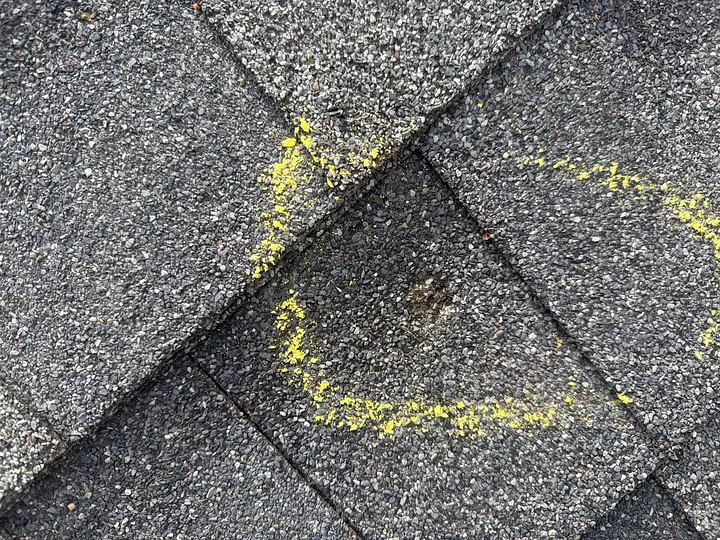
Expert hail impact checks for Omaha homes. We spot hidden shingle bruising before leaks start.
Free Hail Damage Inspection
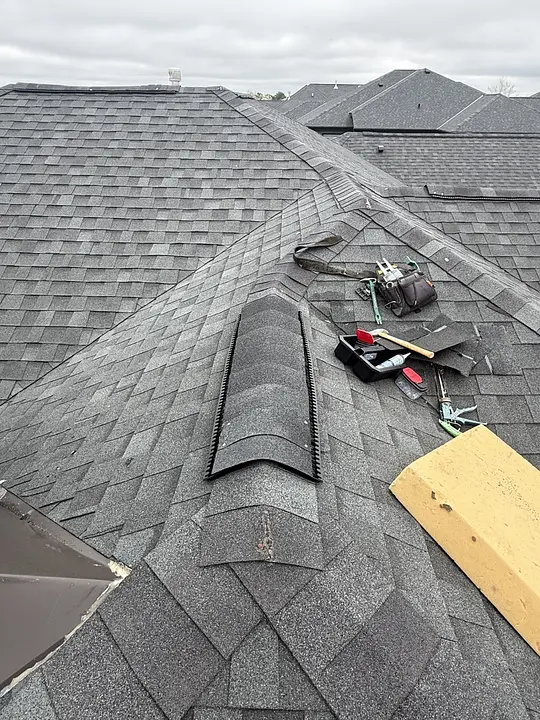
Fast, repair-first solutions for wind-blown shingles and storm leaks in Bennington & Elkhorn.
Emergency Storm Repairs
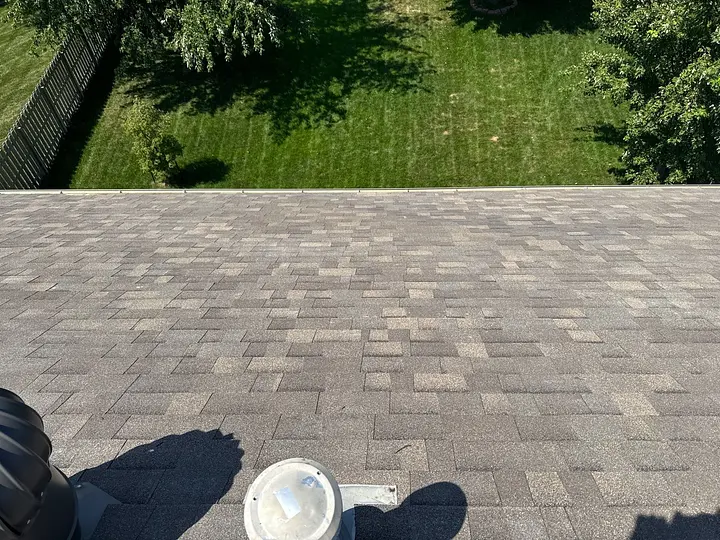
Upgrade to Malarkey shingles built to survive Nebraska hail. Durable, stylish, and storm-ready.
Class 4 Impact Shingles
FAQs